
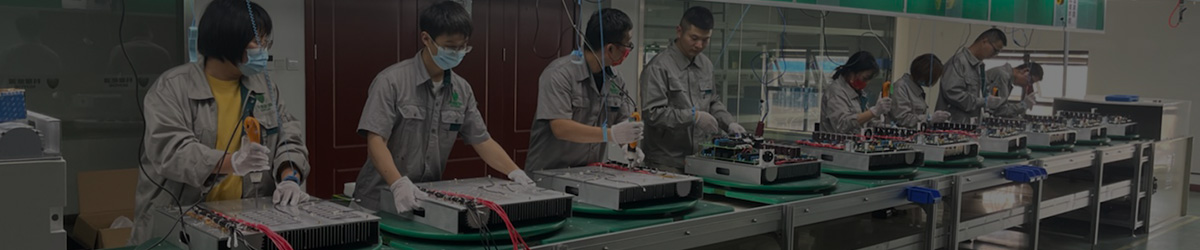
The photovoltaic panel has become one of the most critical clean energy products worldwide, reshaping global power generation and accelerating the transition away from fossil fuels. As renewable energy policies expand across continents, demand for photovoltaic panel keeps rising for residential rooftops, commercial buildings and large utility-scale solar farms. This article analyzes the present market situation, technical evolution, main challenges and future opportunities for photovoltaic panel suppliers, installers and investors.
Global installation volume of solar power continues to hit new records. Falling production costs are the core driver behind the wide adoption of photovoltaic panel. Over the past decade, material and manufacturing advances have greatly cut the price of crystalline silicon modules, making solar power the cheapest new electricity source in most regions. Monocrystalline photovoltaic panel now dominates the mainstream market, while N-type technologies such as TOPCon and HJT are quickly replacing older P-type products. These new-generation photovoltaic panel deliver higher conversion efficiency, lower power degradation and better performance under high-temperature environments. Bifacial photovoltaic panel, which captures sunlight from both sides, also gains popularity in ground-mounted solar projects to boost total energy output.
Despite strong demand growth, the photovoltaic panel industry faces obvious structural pressure. Global manufacturing capacity exceeds market consumption, leading to intense price competition and squeezed profit margins across the whole PV supply chain. Many manufacturers are phasing out outdated production lines and shifting focus to high-efficiency products rather than simple volume expansion. Meanwhile, trade barriers and local content rules in North America, Europe and other regions push the industry to rethink supply chain layout. More countries encourage localized production to improve energy security, which brings new requirements for photovoltaic panel exporters.
Technical innovation remains the key competitive edge for photovoltaic panel makers. Perovskite-silicon tandem photovoltaic panel is a promising emerging technology in lab development, with the potential to break traditional efficiency limits in the next decade. Besides cell efficiency upgrades, product reliability, anti-PID performance and recyclability attract more attention. End buyers now evaluate photovoltaic panel not only by wattage and price, but also by long-term warranty, degradation rate and certification compliance such as IEC standards. Residential and commercial customers also prefer complete solar-plus-storage packages instead of standalone photovoltaic panel systems.
Grid integration is another real-world limit for large-scale photovoltaic panel deployment. Solar power is intermittent and depends on sunlight conditions. Without proper battery storage and smart inverters, high penetration of photovoltaic panel may create pressure on local power grids. This challenge creates new business opportunities for integrated energy solutions combining photovoltaic panel, energy storage and intelligent energy management systems.
Looking ahead, the photovoltaic panel market will maintain steady growth, yet competition will shift from pure low-price competition to technology, quality and after-sales service. Manufacturers with stable supply chains, advanced N-type production and strong regional compliance capability will stand out. For project developers and end users, selecting certified, high-yield photovoltaic panel is essential to secure long-term return on solar investment. As global carbon reduction goals move forward, photovoltaic panel will keep playing an irreplaceable role in the global clean energy transition.


FAQ
Q1: What is the most popular type of photovoltaic panel on the market now?
A: Monocrystalline N-type photovoltaic panel (TOPCon and HJT) is the mainstream choice in the current market. Compared with old P-type modules, N-type photovoltaic panel features higher conversion efficiency, slower power attenuation and better temperature coefficient. It is widely used in residential rooftop, commercial and utility-scale solar projects.
Q2: What are the biggest challenges facing the photovoltaic panel industry?
A: The main challenges include overcapacity and fierce price competition, complex international trade policies, grid connection limitations for large solar parks, and the growing demand for photovoltaic panel recycling. Manufacturers must balance product cost, certification and long-term reliability to stay competitive.
Q3: How long can a photovoltaic panel last?
A: Most standard photovoltaic panel comes with a 25-year performance warranty. Normally, the physical service life can reach 30 years or longer. Even after the warranty period, the photovoltaic panel can still generate electricity, though its output power will gradually decline year by year.
Q4: Is bifacial photovoltaic panel worth choosing for solar projects?
A: Yes, especially for ground-mounted solar farms with reflective ground surfaces. Bifacial photovoltaic panel can absorb reflected light from the rear side, improving total power generation. However, it usually costs more than single-sided photovoltaic panel, so project owners need to calculate ROI before purchase.
Post time: Oct-09-2026